Residential Living
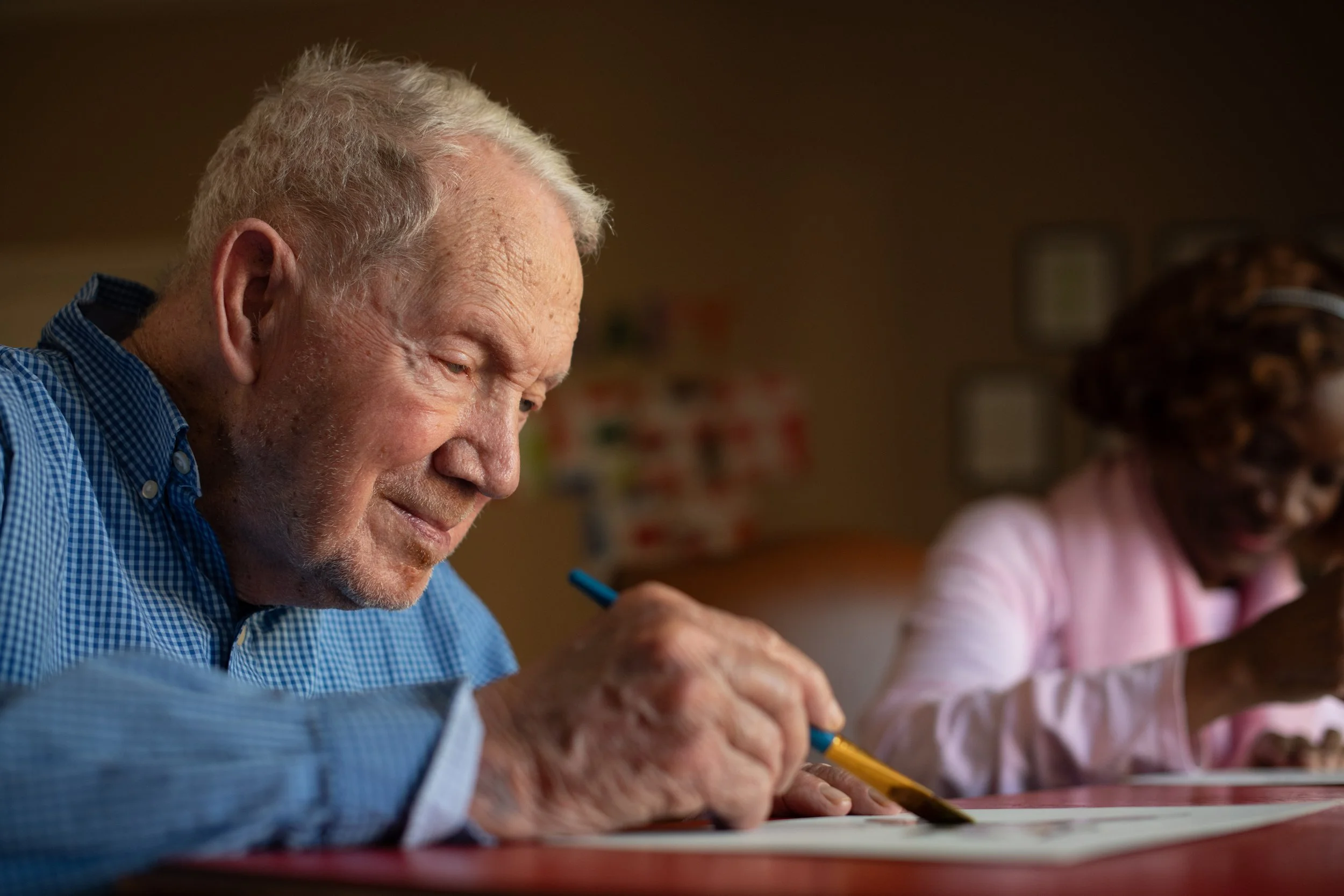
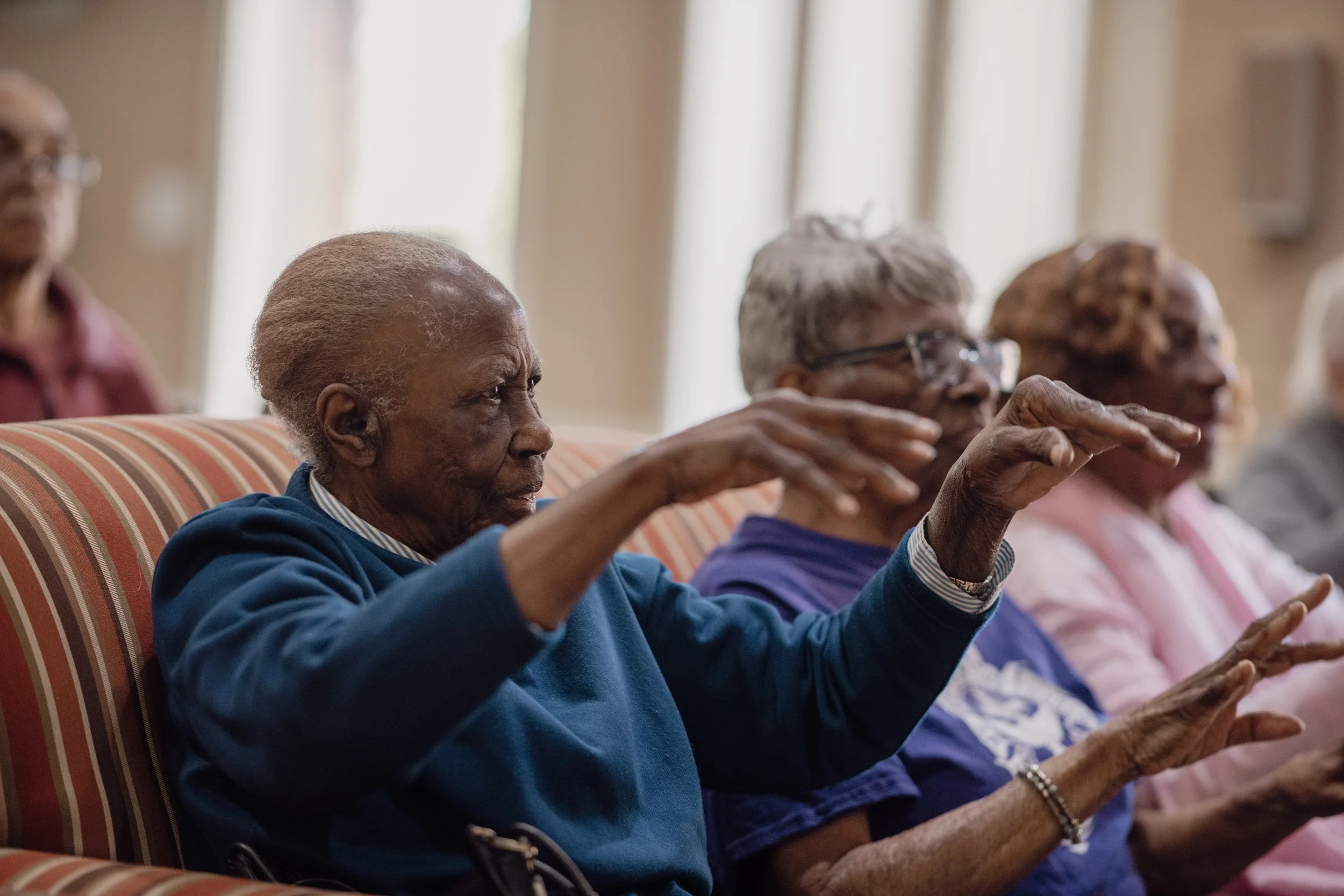
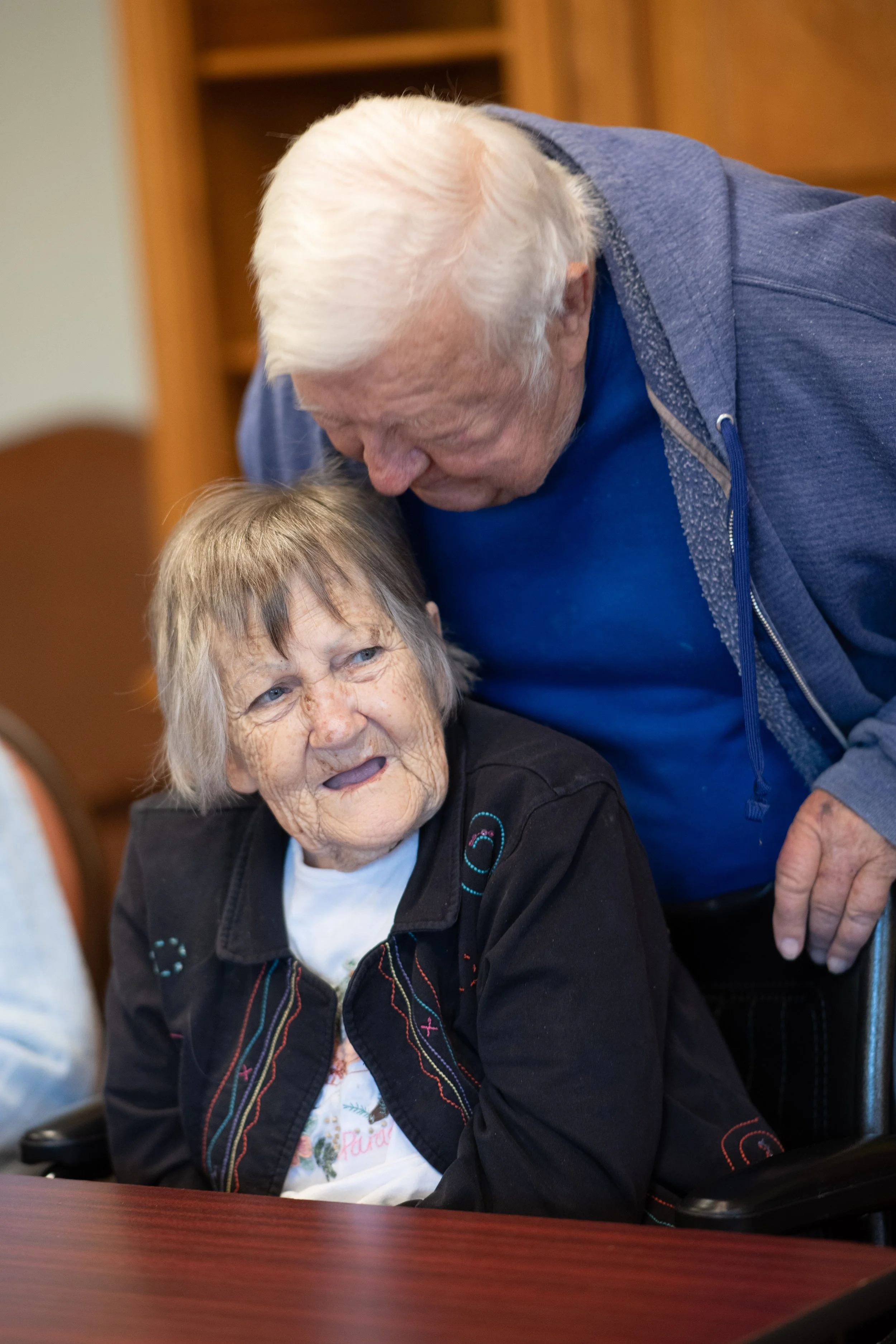
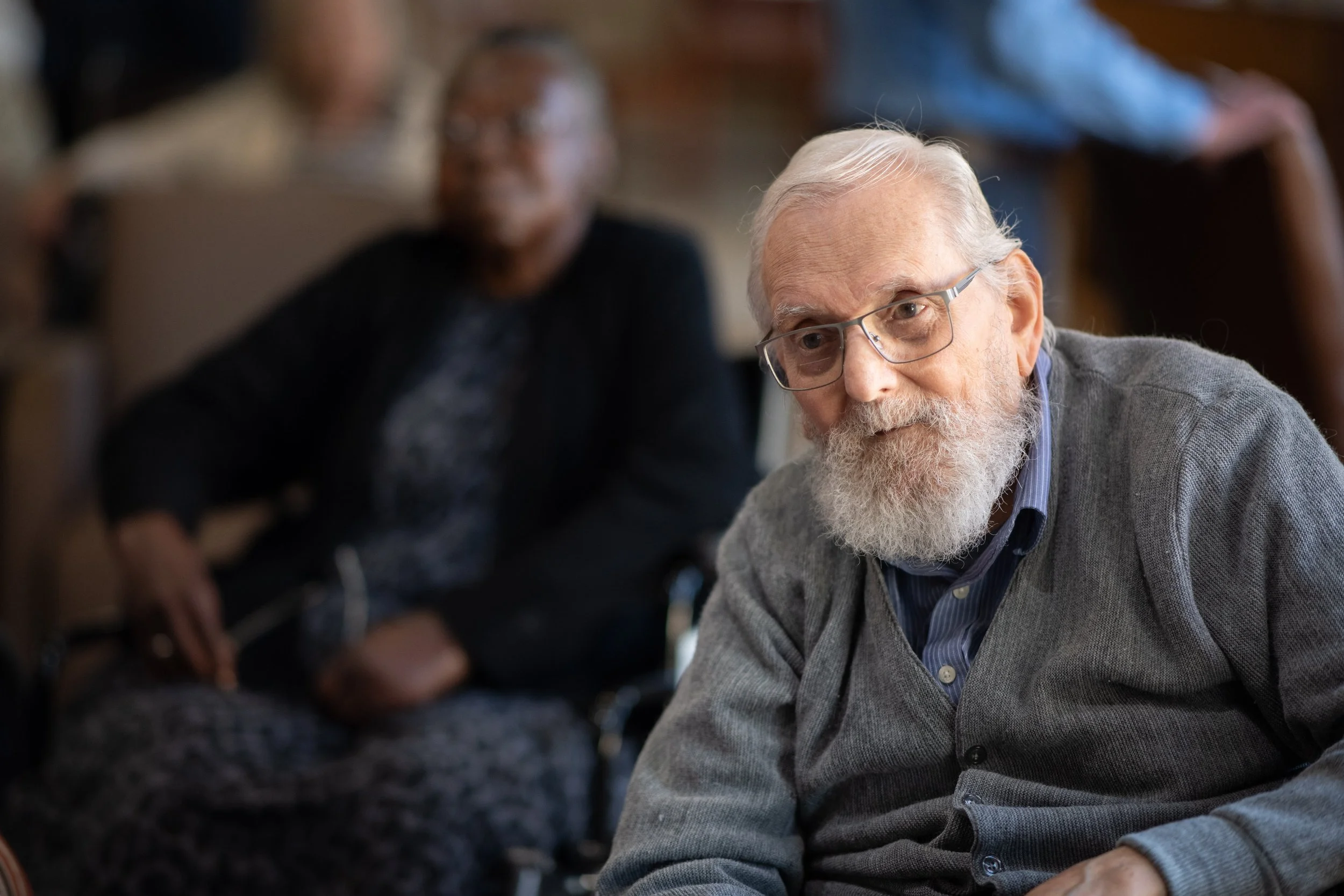
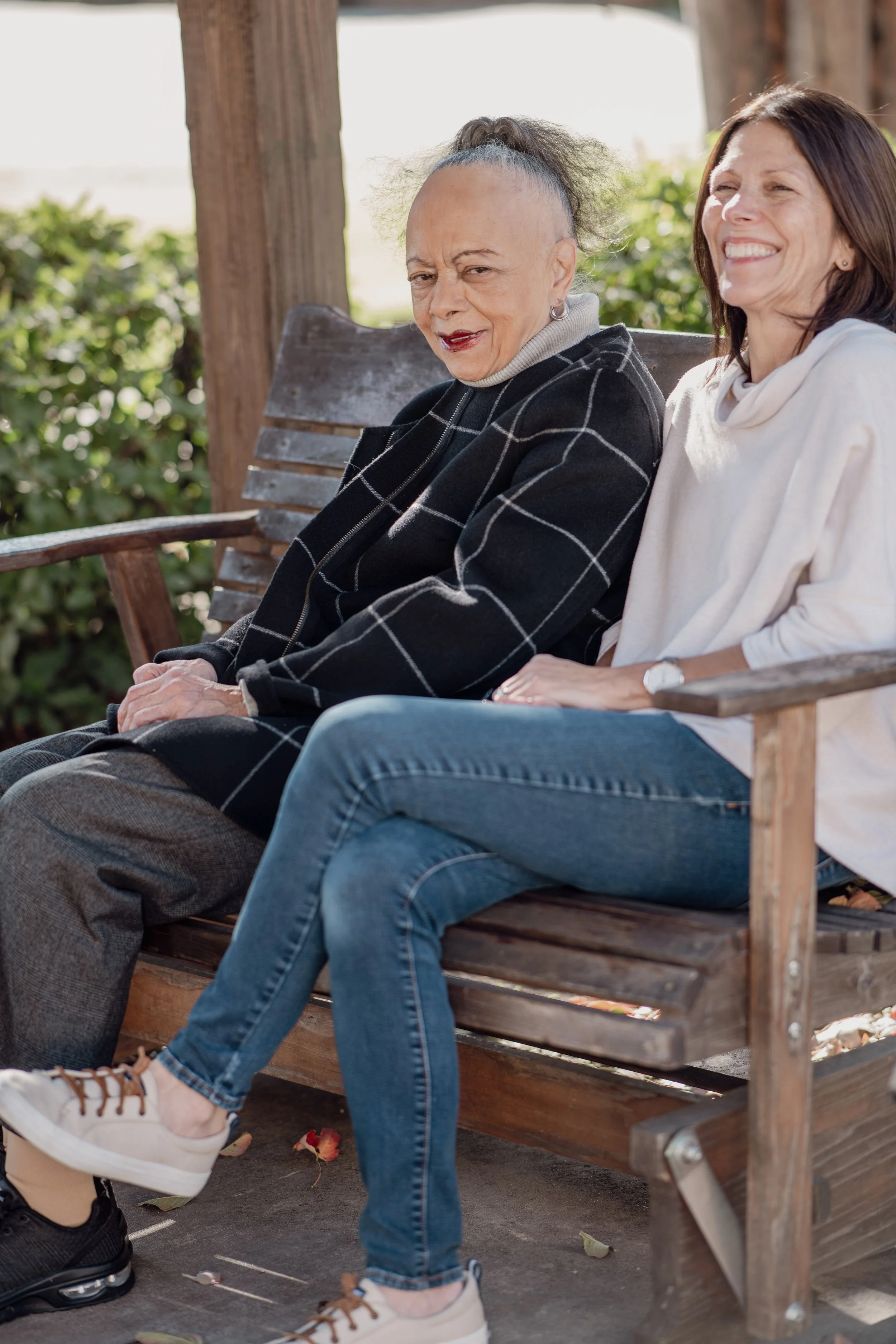
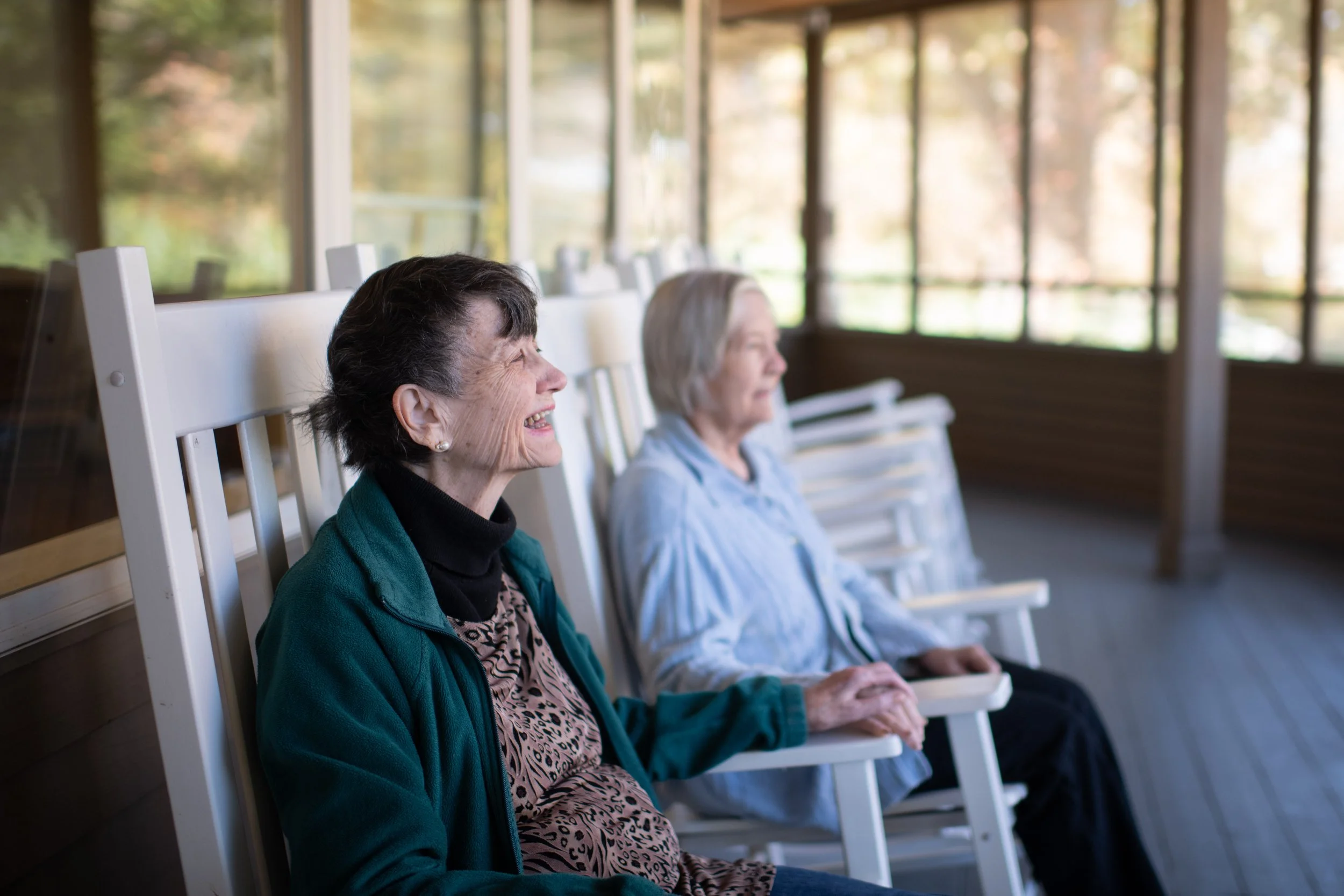
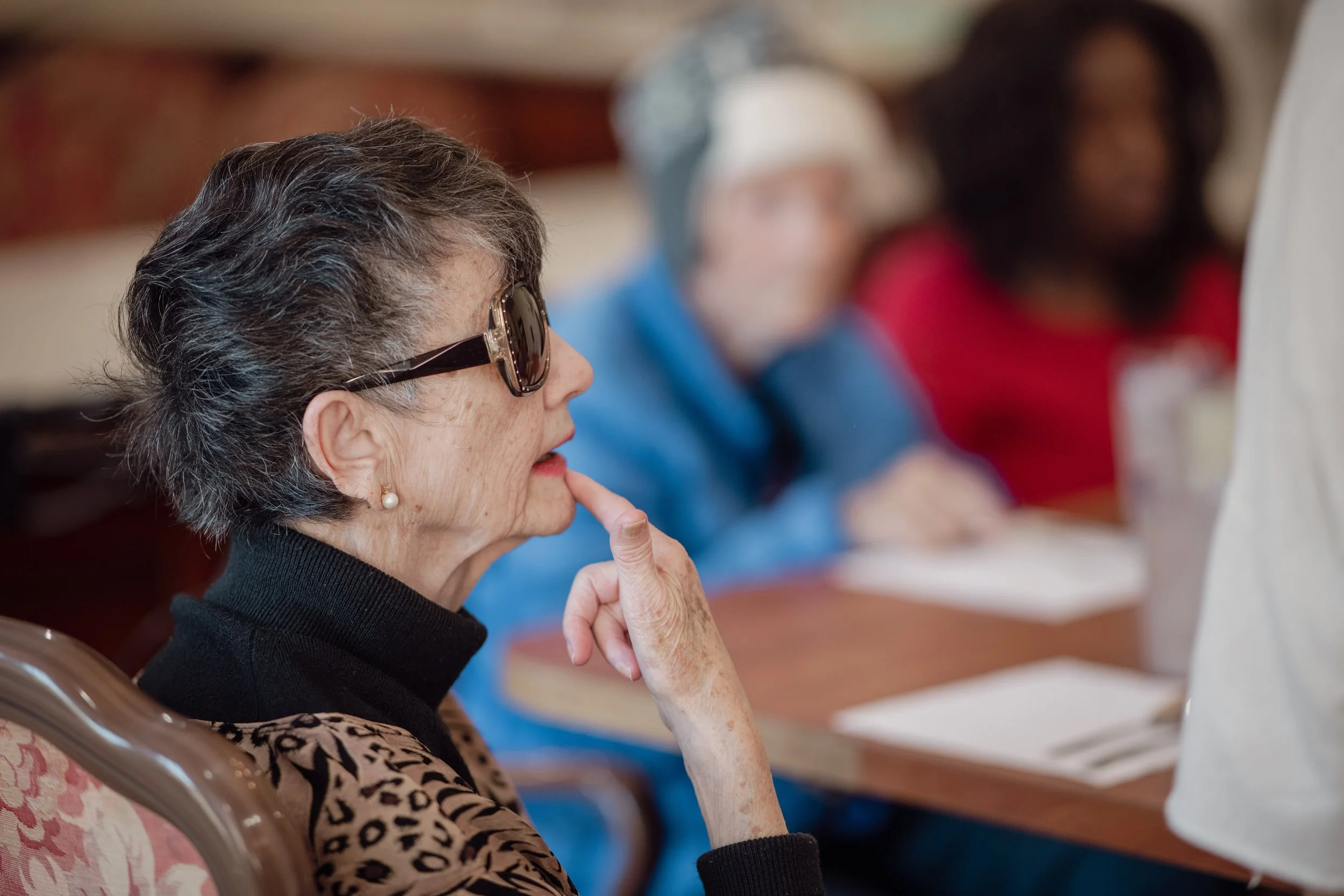
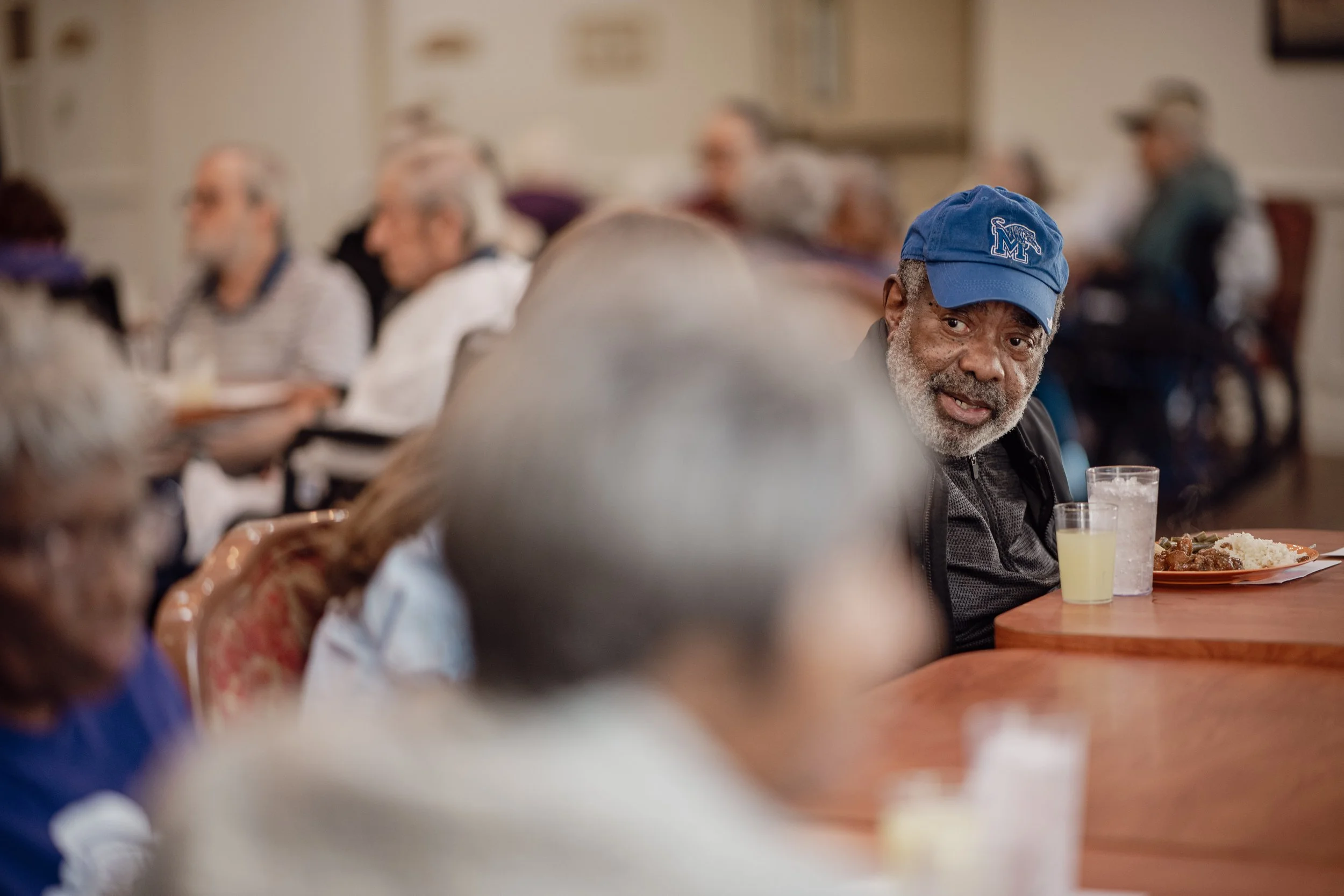
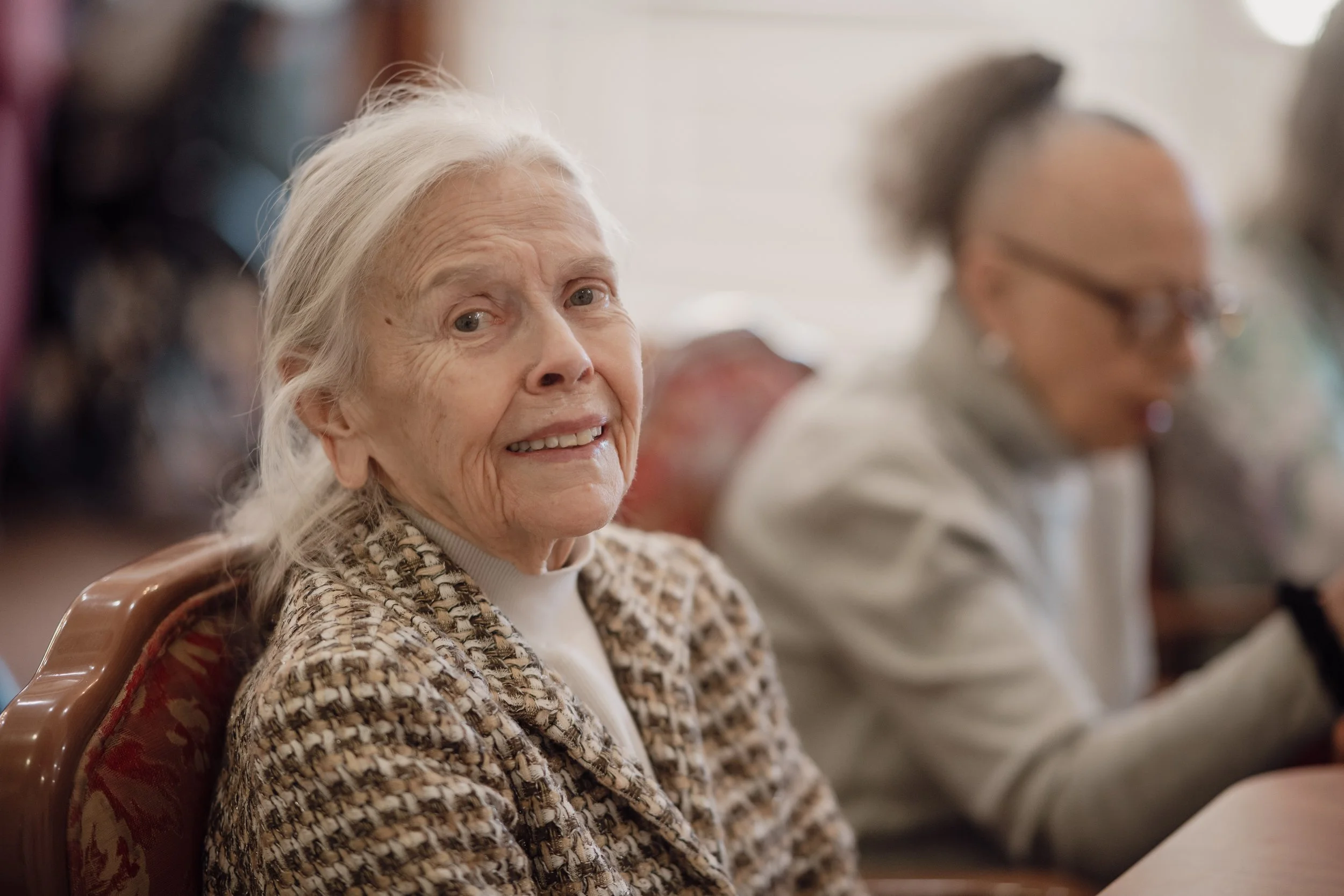
At Apple Grove, residents receive compassionate, personalized care, tailored to exactly what they need as they journey through Alzheimer’s and memory loss. In addition to physical care, we provide healthy doses of social, mental and emotional support to enrich their day.
↓
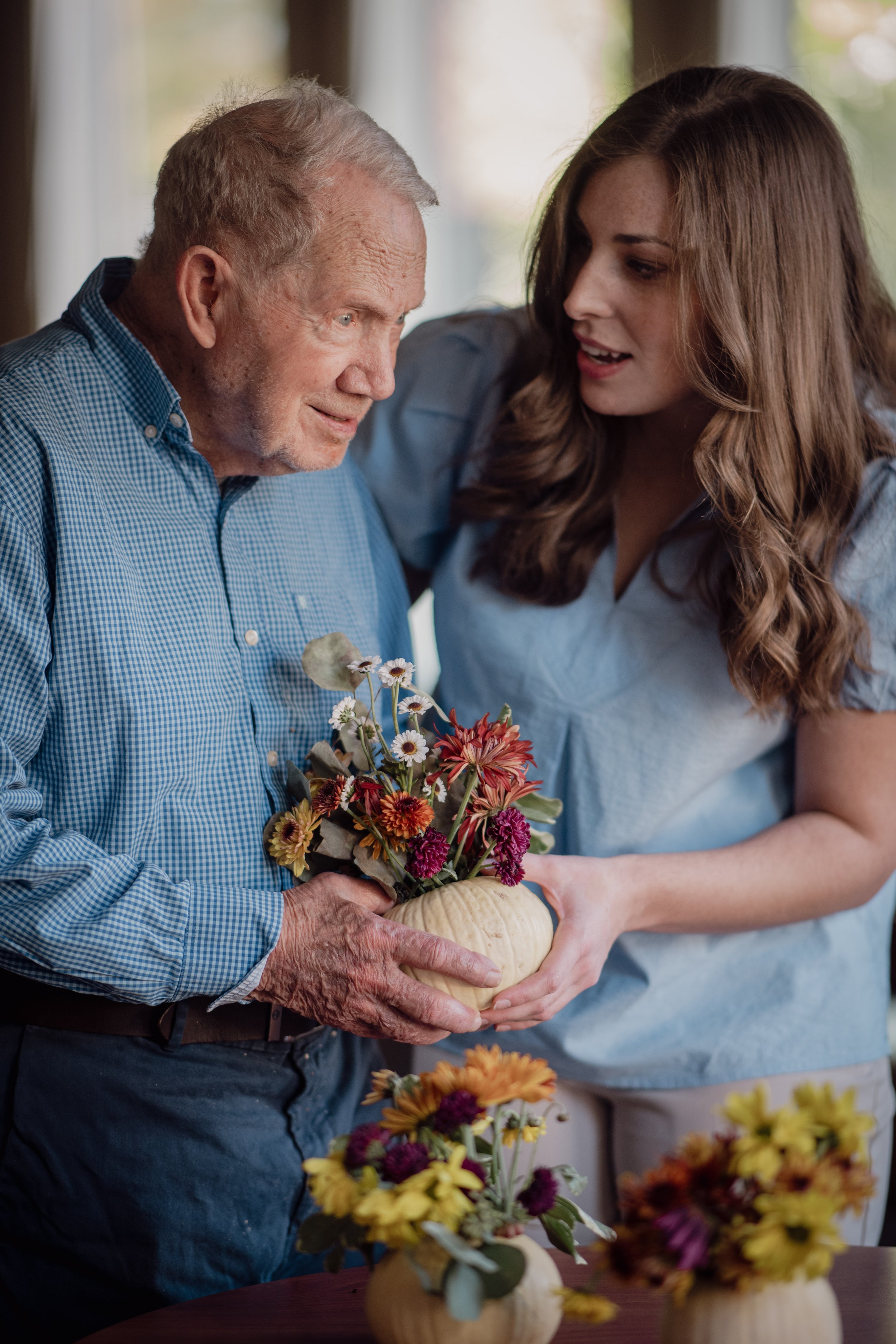
Feel right at home
Our assisted living care services for Alzheimer's and dementia residents include:
Choice of private or shared bedrooms
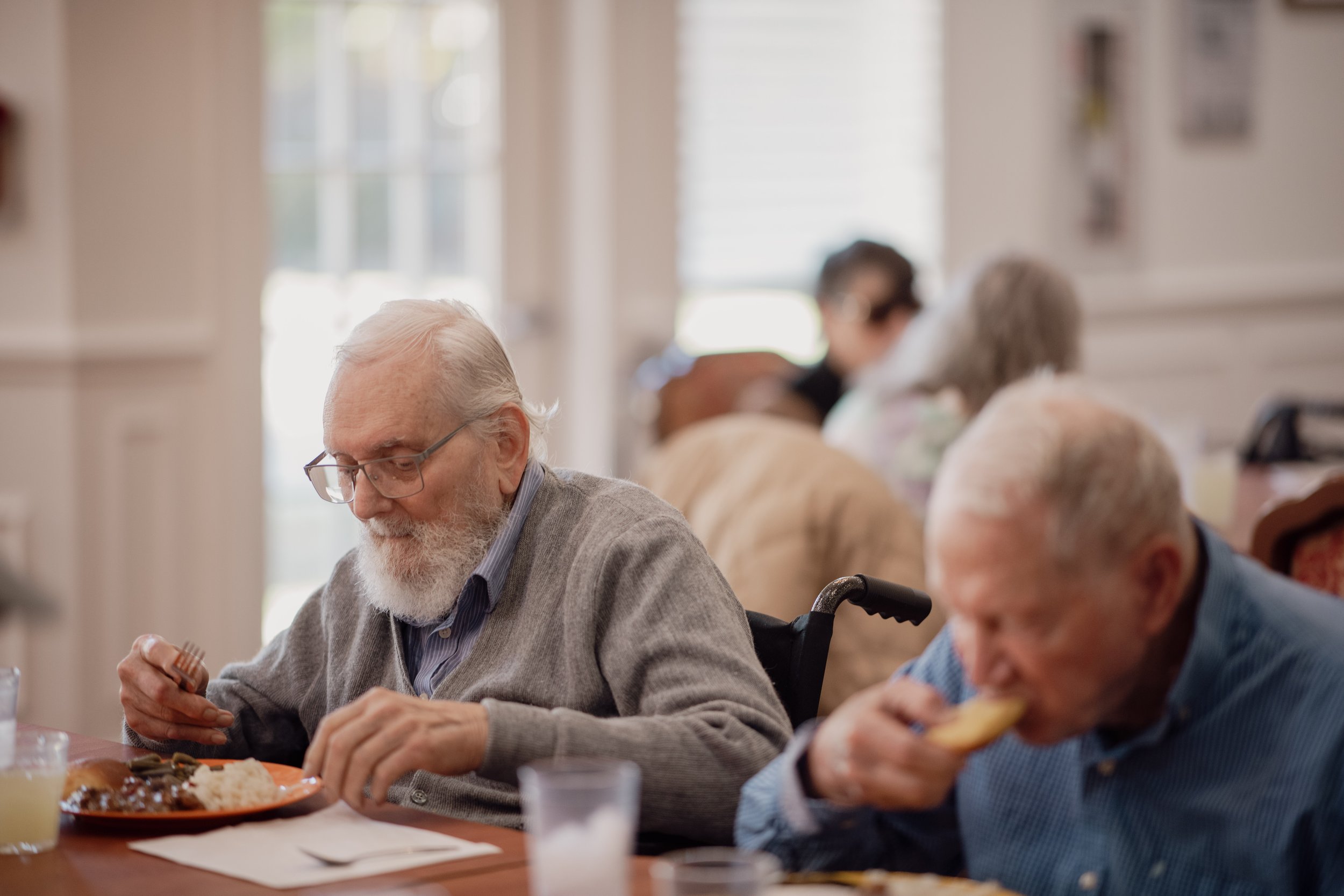
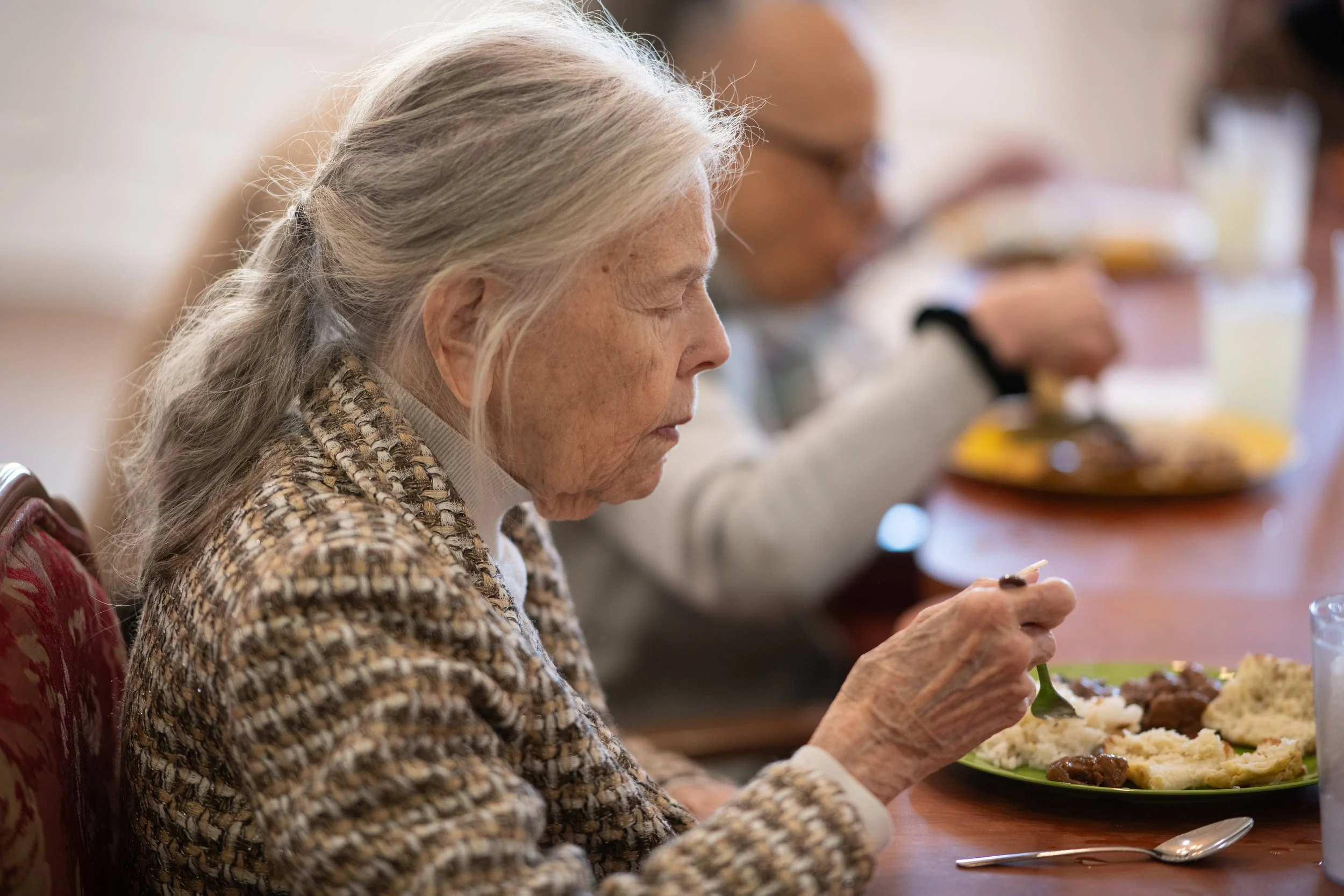
Three nutritious meals and snacks planned by a registered dietitian to support brain health
On-site care and security 24/7
Daily nursing support and access to our clinical team
Assistance with personal needs, including dressing, bathing and dining
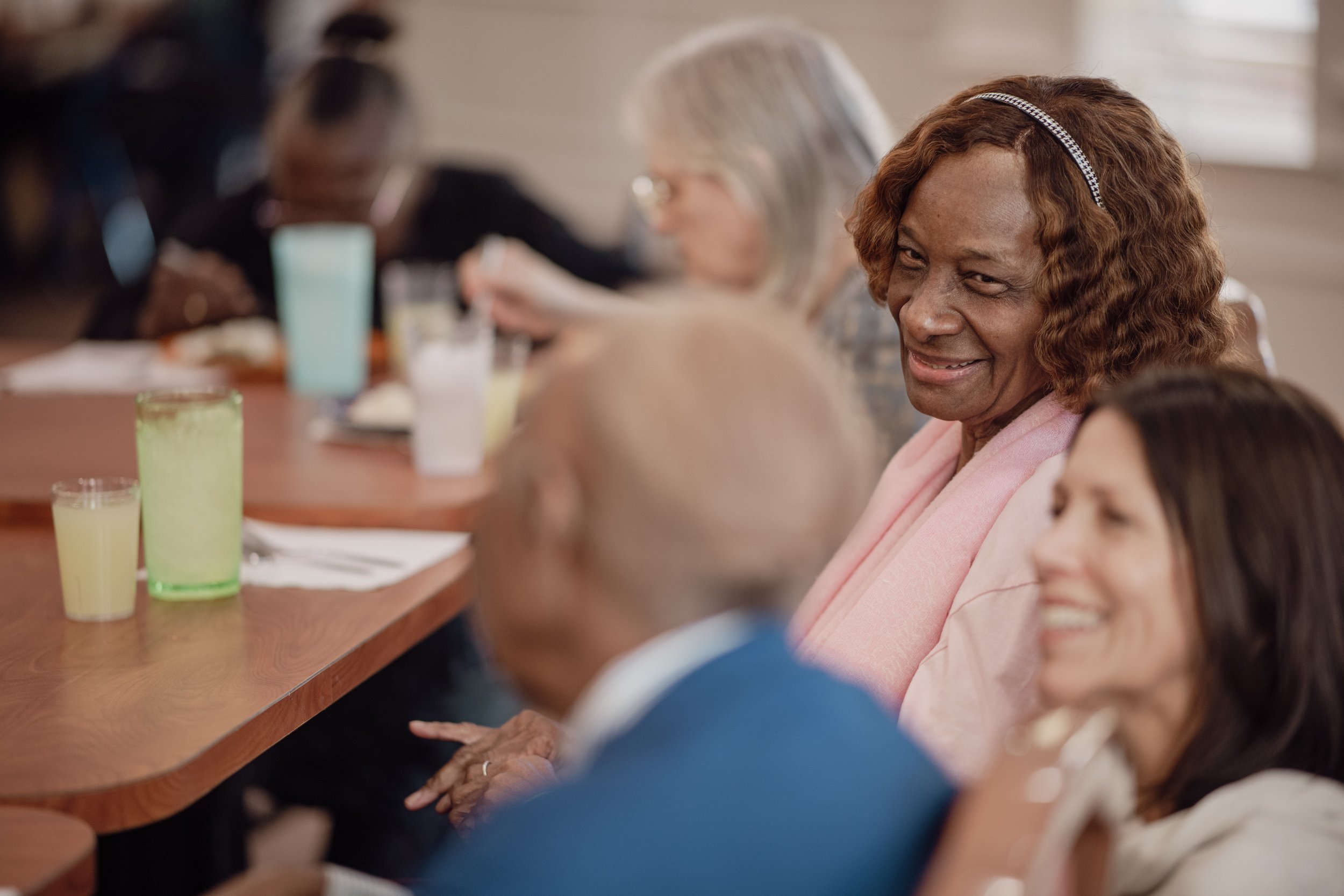
Enriching group programs, events and activities
Opportunities for quiet time in small nooks located throughout residence
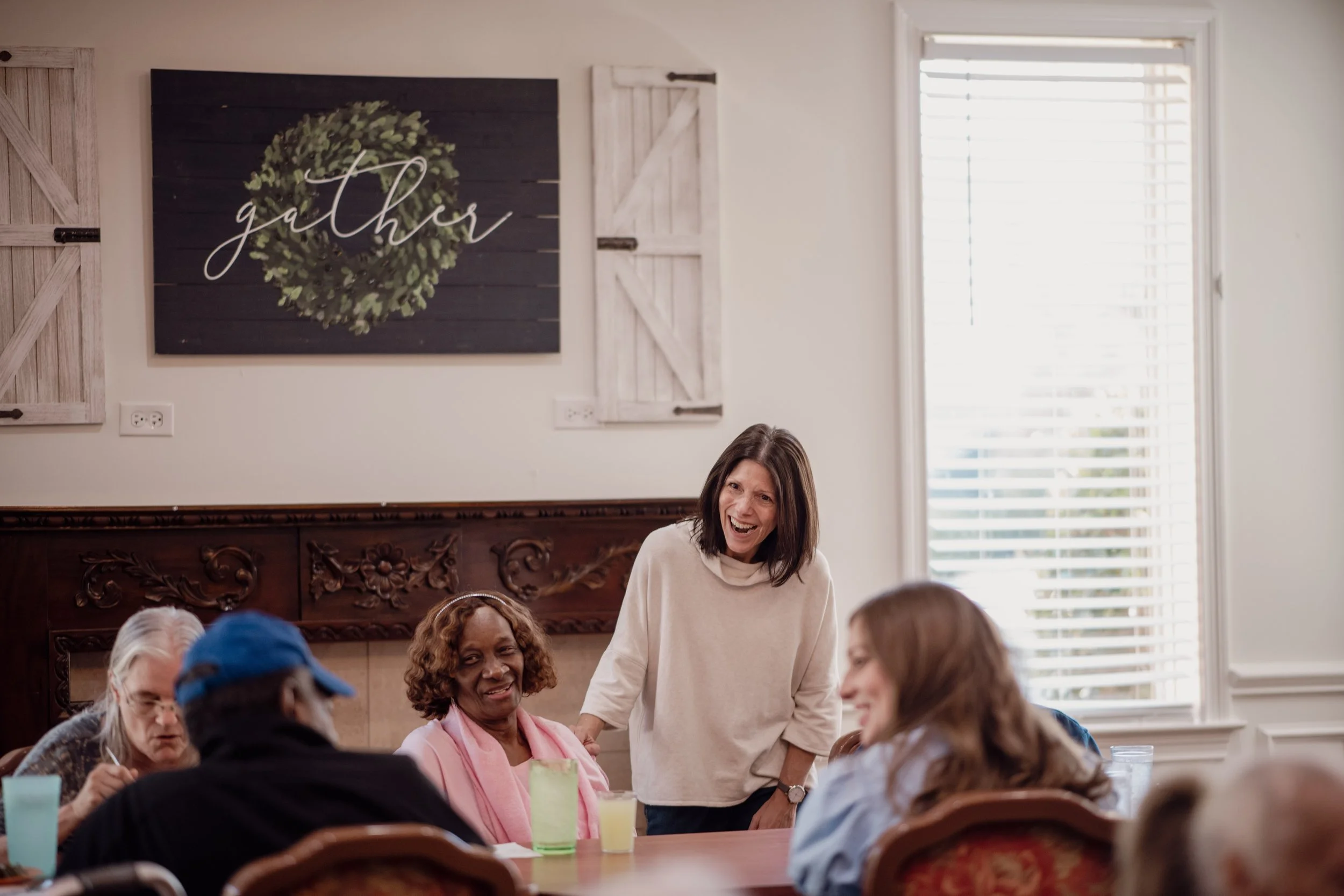
A home at Apple Grove
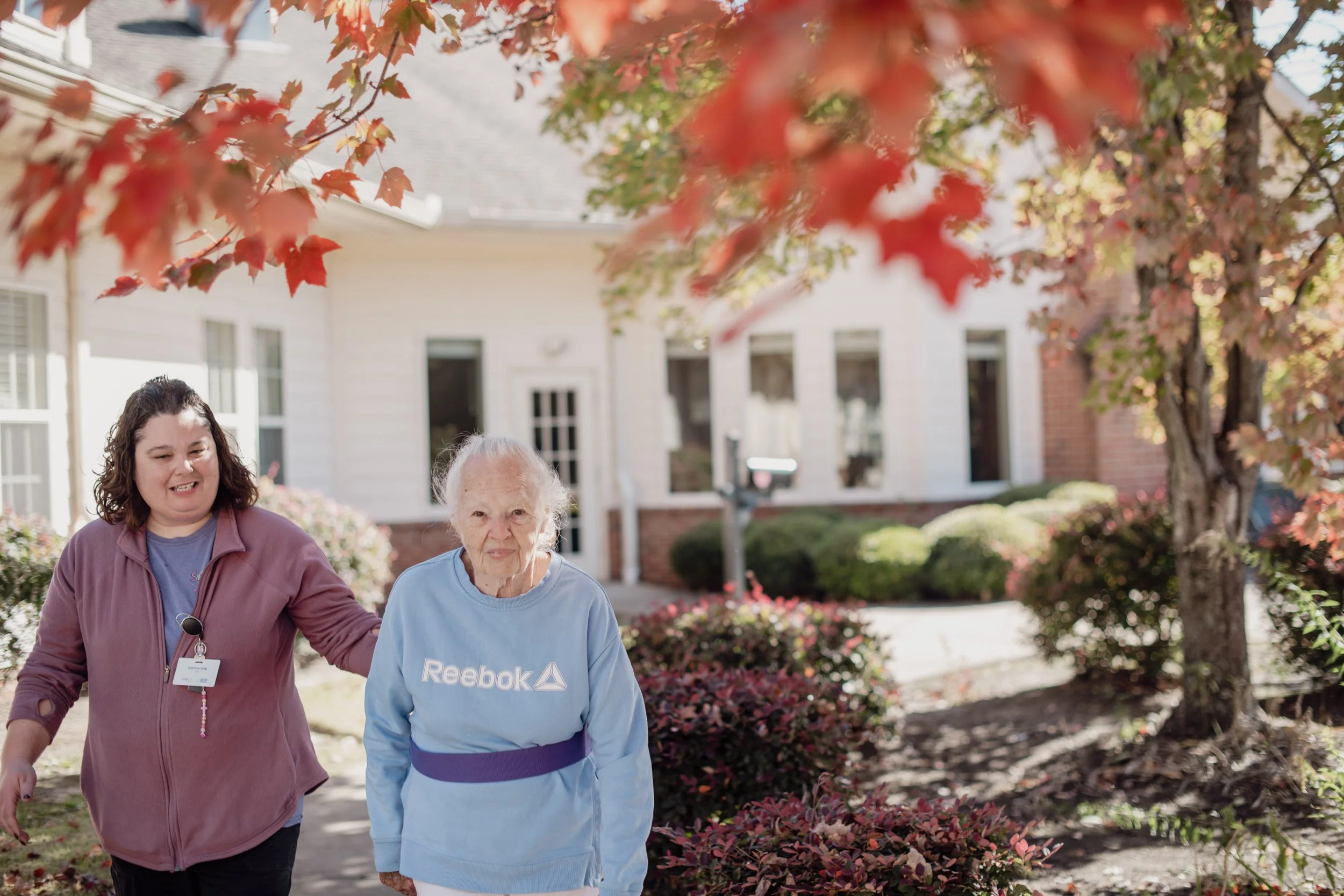
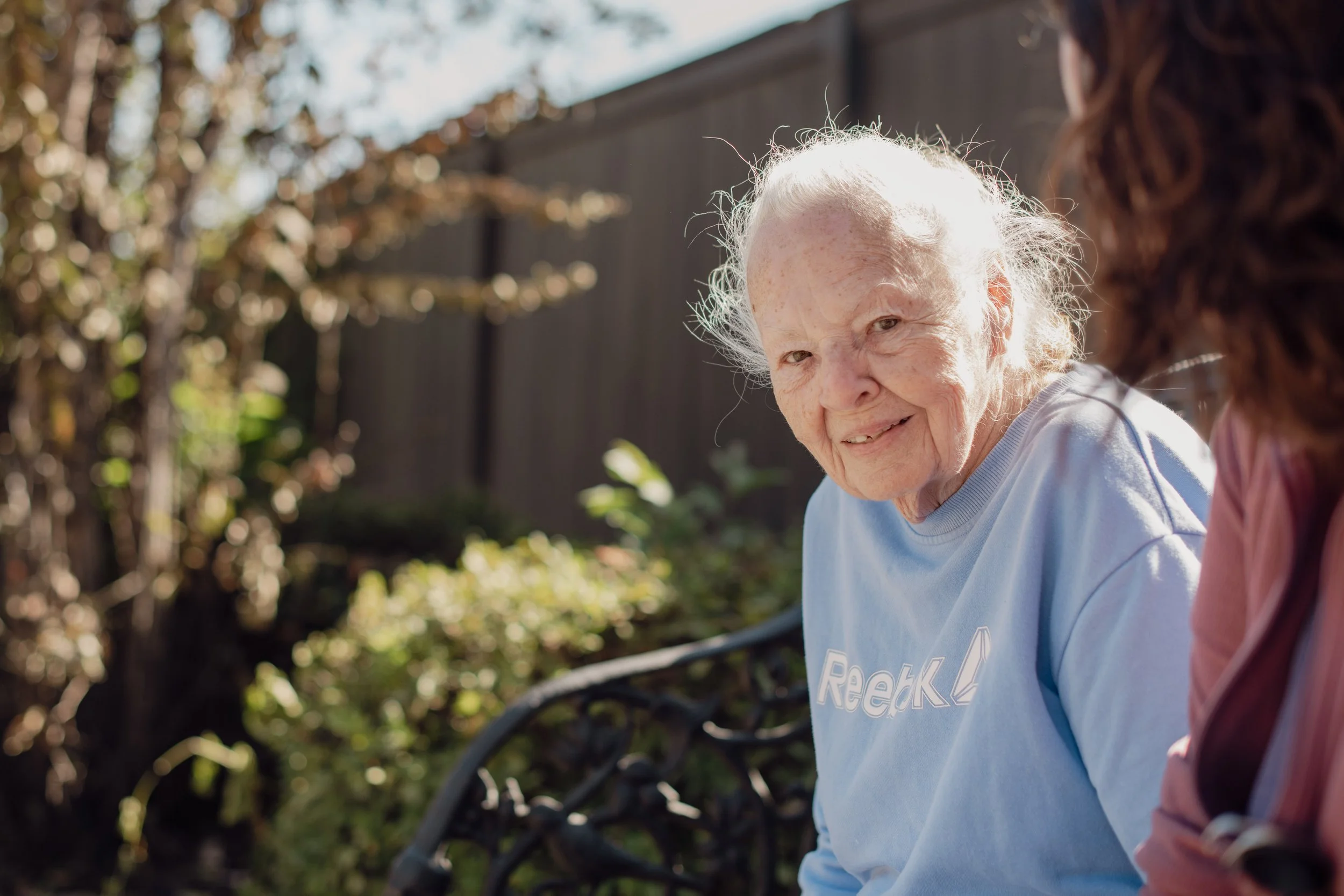
We designed our space intentionally to feel like home since comfort, familiarity, and emotional security are essential for individuals living with memory loss. Instead of a clinical atmosphere, the spaces mirror the elements of a real home—cozy living rooms, inviting dining areas, personal décor, and safe outdoor spaces that encourage gentle movement and connection with nature. The layout is easy to navigate, reducing confusion and promoting independence, while consistent routines help residents feel grounded throughout their day. Every detail is crafted to provide reassurance, dignity, and a sense of belonging, so residents can live with confidence and families can feel peace knowing their loved one is cared for in a nurturing, homelike setting.
Common Questions
Understanding residential care
-
You will know if memory care is right for your loved one when their safety at home is at risk, their daily living needs exceed what can be provided by you or at their home, or their behavior becomes challenging to manage without professional help.
Safety concerns are one of the most pressing reasons to consider a more secure environment.
Wandering: Your loved one may wander from home or get lost in familiar places, putting them in danger. Memory care communities have secure environments designed to prevent this.
Household hazards: They may forget to turn off appliances (stove, iron), leading to fire hazards, or leave doors unlocked.
Falls and injuries: Frequent, unexplained injuries or falls can indicate mobility issues and a need for 24/7 supervision.
-
Absolutely, our caregivers are trained in and receive ongoing education and certification in Alzheimer’s and dementia care. This includes how to:
Recognize symptoms and stages of dementia
Communicate effectively with residents, in the way that best meets their needs
Manage behavior to enhance and protect residents
Provide person-centered care that honors the individual
Create safety and security protocols and monitor residents
Provide respectful daily-living assistance, grooming and ambulation
GALLERY
A Look at Life at Apple Grove